
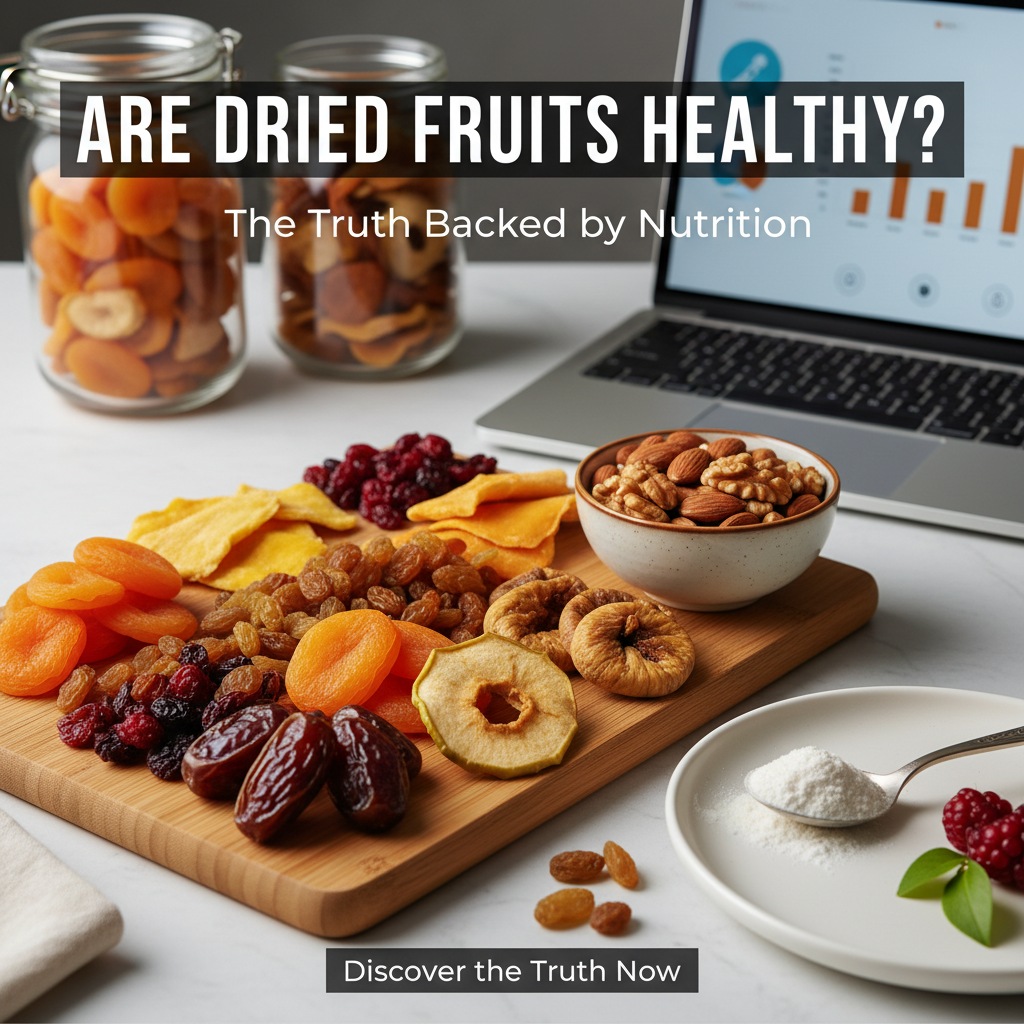
# Are Dried Fruits Good for You? The Nutritional Truth Unveiled
Dried fruits are frequently celebrated as handy, nutrient-rich snacks. But do they genuinely contribute to our health? Let’s dissect the nutritional advantages and possible downsides to see if dried fruits should be a staple in your diet.
## Key Takeaways
– **Nutrient-Rich**: They are abundant in vitamins, minerals, and antioxidants, offering benefits such as enhanced digestion and cardiovascular health.
– **Caloric Awareness**: The drying method concentrates natural sugars, making dried fruits calorie-heavy.
– **Moderation Matters**: Keeping portions in check can help balance any concerning aspects of dried fruit consumption.
## 1. Nutritional Insights on Dried Fruits
### 1.1 Concentrated Nutritional Benefits
When fruits are dried, the water content is removed, which intensifies their nutritional value. For example, dried apricots pack a punch with their high levels of vitamin A, potassium, and fiber.
**Nutritional Comparison (per 100g):**
– **Dried Apricots**: 241 kcal, 8.1g fiber, 1162mg potassium
– **Fresh Apricots**: 48 kcal, 0.5g fiber, 259mg potassium
This concentration turns dried fruits into powerhouses of essential nutrients.
### 1.2 Antioxidants in Dried Fruits
Fruits such as prunes and figs are abundant in antioxidants, which play a critical role in neutralizing oxidative stress and may lower the chances of developing chronic diseases.
**Antioxidant Levels (per 100g):**
– **Dried Figs**: 960 mg GAE
– **Fresh Figs**: 283 mg GAE
Interestingly, the drying process can actually enhance the antioxidant qualities of specific fruits.
## 2. Caloric and Sugar Factors
### 2.1 Natural Sugar Concentration
The essence of drying fruits lies in their high sugar content, making them calorie-dense. Take raisins, for instance—they consist of about 59% sugar, considerably more than their fresh counterparts.
**Sugar Content Comparison (per 100g):**
– **Raisins**: 59.19g
– **Fresh Grapes**: 15.48g
This sharp increase in sugar could affect your blood sugar levels if consumed in large amounts.
### 2.2 Added Sugars and Preservatives
Be wary—some dried fruits come with added sugars or preservatives like sulfites. It’s wise to scrutinize labels for unwanted extras to maintain healthy eating habits.
**Common Additives:**
– **Added Sugars**: Increases caloric intake and may promote weight gain.
– **Sulfites**: Used for color retention; can elicit allergic reactions in sensitive individuals.
## 3. Health Perks of Dried Fruits
### 3.1 Promoting Digestive Health
One of the standout features of dried fruits is their fiber content, which supports digestive health and helps fend off constipation. Prunes, known for their natural laxative properties, exemplify this benefit.
**Fiber Levels (per 100g):**
– **Dried Prunes**: 7.1g
– **Fresh Plums**: 1.4g
The substantial increase in fiber makes dried fruits a valuable ally for your digestive system.
### 3.2 Supporting Heart Health
Fruits like apricots and raisins are low in sodium and high in potassium, which can aid in maintaining healthy blood pressure levels.
**Potassium Content (per 100g):**
– **Dried Apricots**: 1162mg
– **Fresh Apricots**: 259mg
Getting enough potassium is critical for ensuring cardiovascular health.
## 4. Considerations for Consumption
### 4.1 Portion Control Challenges
Due to their high caloric density, it’s easy to munch more than intended on dried fruits. A typical serving suggestion is about 1/4 cup.
**Recommended Serving Size:**
– **Dried Fruits**: 1/4 cup (roughly 40g)
– **Fresh Fruits**: 1 cup
Understanding serving sizes is crucial to avoid accidental overindulgence.
### 4.2 Risks of Overindulgence
Eating dried fruits in excess can lead to weight gain and surges in blood sugar, particularly for those with diabetes.
**Caloric Content (per 100g):**
– **Dried Dates**: 282 kcal
– **Fresh Dates**: 277 kcal
Even minor differences in caloric content can lead to significant weight changes if you’re not careful.
## 5. Tips for Healthy Incorporation of Dried Fruits
### 5.1 Opt for Natural Varieties
Choose dried fruits without added sugars or preservatives. Organic products frequently avoid sulfites and other undesirable additives.
**What to Look For:**
– **Ingredients**: Ideally, it should only mention the fruit.
– **Additives**: Minimize or eliminate added sugars and preservatives.
### 5.2 Emphasizing Moderation
When adding dried fruits to your diet, enjoy them in small amounts alongside protein or healthy fats to help stabilize blood sugar levels.
**Suggested Pairings:**
– **Nuts**: Almonds, walnuts
– **Dairy**: Unsweetened Greek yogurt
## 6. Frequently Asked Questions
**Q1: Are dried fruits just as nutritious as fresh fruits?**
Certainly! Dried fruits retain many essential nutrients, but their calorie density increases because of the water removal.
**Q2: Can dried fruits be beneficial for weight management?**
Yes, when enjoyed in moderation, dried fruits can contribute to a healthy diet, providing fiber and nutrients while keeping added sugars at bay.
**Q3: Are there health risks tied to dried fruit consumption?**
Yes, overconsumption can elevate blood sugar levels and result in weight gain. It’s also essential to check for potential added sugars or preservatives in some products.
**Q4: How can I best include dried fruits in my meals?**
Try adding them to salads, yogurt, or cereal, or savor them as standalone snacks while keeping an eye on portion sizes.
**Q5: Are there specific dried fruits that provide exceptional benefits?**
Absolutely! Prunes are excellent for digestive health, apricots deliver vitamin A, and raisins are rich in iron and potassium.
## Conclusion: Enjoying Dried Fruits Mindfully
Dried fruits can be a nutritious addition to your diet if consumed in moderation and selected without added sugars or preservatives. They deliver concentrated nutrients and health benefits but require careful portion management to avoid potential downsides. Enjoy them wisely, and revel in their delicious flavors!
Leave a Reply