
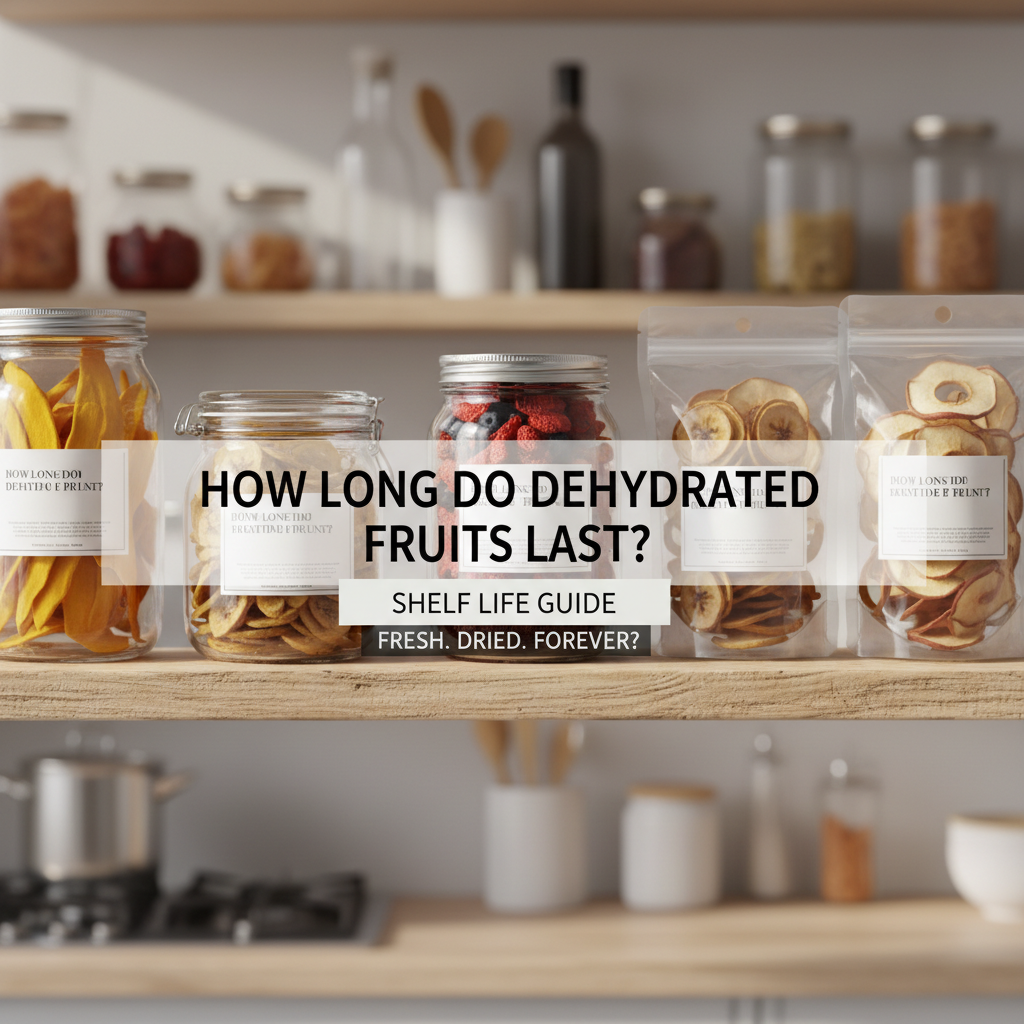
# Exploring the Shelf Life of Dehydrated Fruit: How Long Can Dried Fruit Be Stored?
Dehydrated fruits serve as a tasty and nutritious option for snacking, but how long can you count on them to stay fresh? Knowing the shelf life of dried fruits is crucial for ensuring their safety and maintaining their delightful quality. In this article, we’ll delve into the factors that impact the longevity of dehydrated fruits, share effective storage tips, and address frequently asked questions to help you get the most out of your dried fruit.
## Key Insights
– **Shelf Life Estimates**: When stored properly, dehydrated fruits can typically last:
– **At Room Temperature**: 6–12 months
– **In the Refrigerator**: 12–18 months
– **In the Freezer**: 18 months or longer
– **Optimal Storage Conditions**: To extend their longevity, keep dehydrated fruits in airtight containers stored in a cool, dry, and dark location.
– **Signs of Spoilage**: Watch out for mold, unusual odors, discoloration, or alterations in texture.
– **Prolonging Freshness**: Techniques such as using oxygen absorbers, vacuum sealing, and adhering to proper storage practices can effectively extend shelf life.
## Key Factors Influencing the Shelf Life of Dehydrated Fruits
### The Impact of Moisture Content
**Effective Dehydration**: Properly dehydrating fruits removes moisture that can lead to spoilage. Any remaining moisture can foster mold growth and shorten the fruit’s shelf life.
**Target Moisture Percentage**: Strive for a moisture level ranging from 15–20% to guarantee safety and optimal quality.
### Considerations for Storage Conditions
**Temperature Control**: Keep dried fruits stored in a cool environment, ideally at temperatures between 50–60°F (10–15°C). Be aware that an increase of 10°F can significantly hasten quality decline.
**Humidity Levels**: It is essential to keep relative humidity under 60% to avoid moisture absorption. In areas with high humidity, consider using desiccant packets in storage containers to absorb excess moisture.
**Light Exposure**: To reduce oxidative damage, opt for dark, opaque containers or store your dried fruits in a cabinet shielded from light.
### Effective Packaging Methods
**Airtight Containers**: Utilize glass jars with secure lids, food-grade plastic containers, or vacuum-sealed bags to safeguard against air and moisture.
**Incorporating Oxygen Absorbers**: Including oxygen absorbers in your storage strategy can help to enhance shelf life by reducing residual oxygen levels.
## Average Duration for Dehydrated Fruits’ Shelf Life
### General Guidelines
– **Room Temperature**: 6–12 months
– **Refrigerated**: 12–18 months
– **Frozen**: 18 months or more
*Note*: These time frames are general estimates; the actual shelf life may differ based on the type of fruit and how it is stored.
### Shelf Life Based on Fruit Type
– **Fruits High in Sugar (e.g., raisins, dates, figs)**: 9–12 months
– **Standard Fruits (e.g., apples, pears, apricots)**: 6–9 months
– **Acidic Fruits (e.g., pineapple, citrus)**: 6–8 months
– **Berries (e.g., blueberries, strawberries, cranberries)**: 6–8 months
– **Fruits High in Fat (e.g., coconut, avocado)**: 3–4 months (pantry); 8–12 months (freezer)
*Note*: High-fat fruits can go rancid more easily and should be stored carefully.
## Identifying Signs of Spoilage in Dehydrated Fruits
### Visual Indicators
– **Mold Presence**: If you spot any mold, it’s a definite sign of spoilage.
– **Color Changes**: Significant color changes or unusual spots could indicate problems.
### Sensory Indicators
– **Unpleasant Odors**: Rancid or musty smells are red flags.
– **Texture Alterations**: Unusual hardness or stickiness can signal spoilage.
*Note*: If you notice any of these signs, it’s wise to discard the affected fruit immediately for safety.
## Best Practices for Properly Storing Dehydrated Fruits
### Recommended Storage Conditions
– **Airtight Containers**: Opt for glass jars with secure lids, food-grade plastic containers, or vacuum-seal bags to protect your fruits.
– **Cool, Dry, and Dark Location**: Store them in a pantry or cupboard away from heat sources and direct sunlight.
### Benefits of Using Oxygen Absorbers
– **Enhances Freshness**: Adding oxygen absorbers can effectively extend the shelf life by eliminating residual oxygen.
### Techniques for Vacuum Sealing
– **Prevents Oxidation**: Vacuum sealing is an excellent method to remove air, preventing oxidation and moisture ingress.
## Techniques for Extending Shelf Life Through Preservation
### Pre-Treatment Approaches
– **Ascorbic Acid or Lemon Juice**: Dipping fruits such as apples and bananas in lemon juice before dehydrating helps prevent browning and retains color.
– **Steam Blanching**: This method can kill bacteria and microbes, thereby enhancing shelf life.
### Advantages of Freeze-Drying
– **Prolonged Storage Options**: When stored correctly, freeze-dried fruits can last an impressive 25–30 years.
## Frequently Asked Questions (FAQs)
1. **How can I determine if my dehydrated fruit has spoiled?**
Check for mold, off-odors, or alterations in texture.
2. **Is freezing an option for storing dehydrated fruits?**
Absolutely, freezing can significantly extend their shelf life to 18 months or more.
3. **Do different dehydrated fruits have varying shelf lives?**
Yes, shelf life can vary depending on the fruit type and storage practices.
4. **Is it safe to consume dehydrated fruit past its best-before date?**
For optimal quality, it’s best to eat them before that date.
5. **Can dehydrated fruits be rehydrated?**
Yes, you can rehydrate them, restoring their texture and flavor.
## Conclusion
Grasping the intricacies of dehydrated fruit shelf life and employing effective storage methods are pivotal for enjoying them safely and at their prime. By following the recommendations outlined in this guide, you can ensure your dried fruits remain a delectable and nutritious addition to your diet for many months ahead.
Leave a Reply