
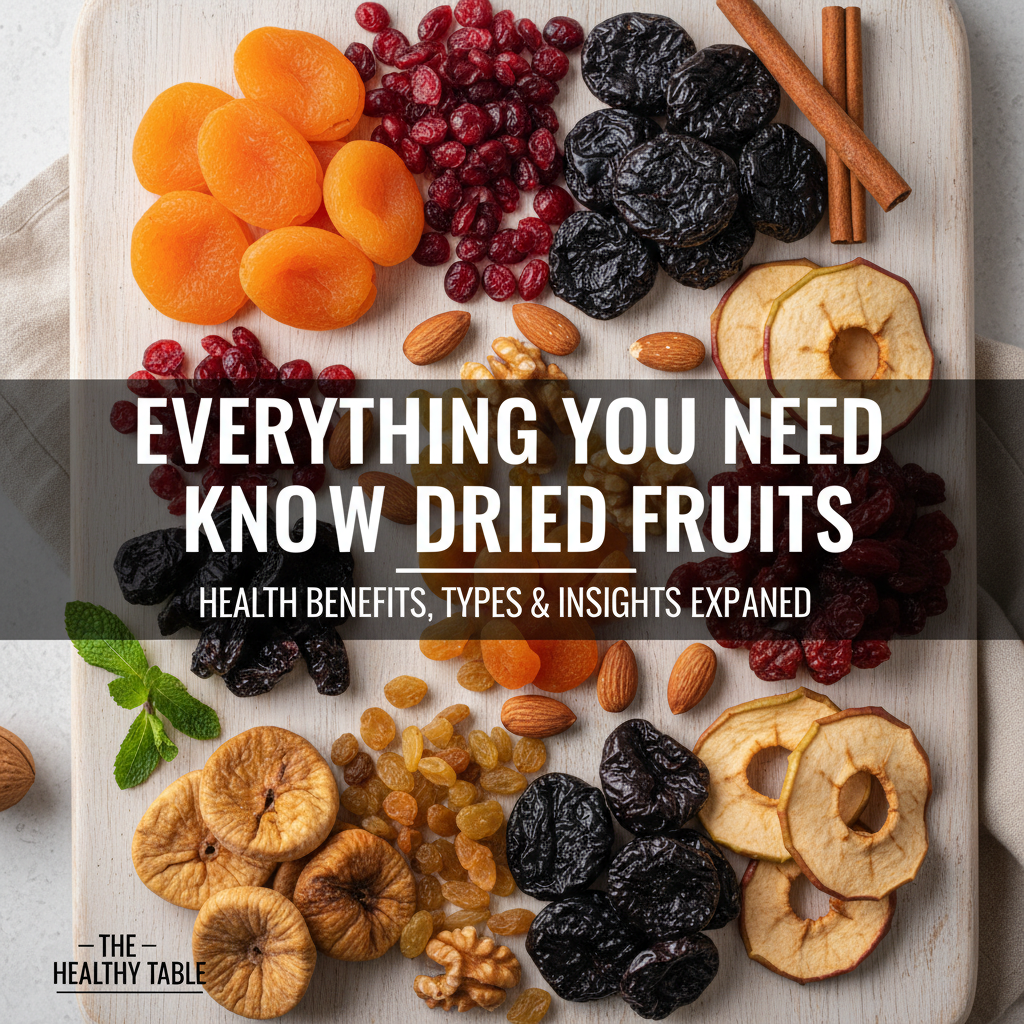
# Everything You Should Know About Dried Fruits
## Key Takeaways
– **Nutrient Density**: Dried fruits are loaded with vitamins, minerals, and antioxidants, providing a concentrated source of nutrition.
– **Digestive Health**: The high fiber content in dried fruits aids digestion and promotes regular bowel movements.
– **Heart Health**: Regular intake may contribute to better heart health by supplying potassium and various antioxidants.
– **Caloric Density**: With the majority of moisture removed, dried fruits are calorie-rich; hence, practicing portion control is important.
– **Added Sugars**: Some varieties of dried fruits have added sugars; opting for unsweetened options is recommended.
## Introduction: Discovering the Wonders of Dried Fruits
Dried fruits serve not just as handy snacks but as nutrient-packed options that deliver numerous health advantages. The drying process intensifies the fruit’s natural sweetness while concentrating its vitamins and minerals, making them an ideal on-the-go addition to any healthy diet.
## 1. What Constitutes Dried Fruits?
### The Drying Process
Dried fruits originate from fresh fruits that undergo a drying process to remove most of their water content. This can be accomplished through sun-drying, air-drying, or using specialized dehydrators. As a result, the flavors, natural sugars, and nutrients become more concentrated, forming a sweet, energy-rich treat.
### Popular Varieties of Dried Fruits
– **Raisins**: Dehydrated grapes, which are excellent sources of iron and potassium.
– **Dates**: Naturally sweet and chewy, high in fiber and antioxidants.
– **Prunes**: Dried plums famed for their digestive health benefits.
– **Apricots**: Tangy little fruits abundant in vitamin A.
– **Figs**: Sweet and soft, they provide a significant amount of calcium.
## 2. Nutritional Profile of Dried Fruits
### Concentrated Nutrients
Dried fruits are nutrient-rich, serving as a concentrated source of vitamins, minerals, and antioxidants. For example, dried apricots are particularly high in vitamin A, essential for maintaining healthy vision and a robust immune system.
### Fiber Content
The drying process does not eliminate dietary fiber, which remains intact to support digestive health. A 100g serving of dried apricots contains around 7g of fiber, contributing positively to digestive function.
## 3. Health Benefits of Dried Fruits
### Antioxidant Richness
Packed with antioxidants, dried fruits contain compounds like polyphenols and flavonoids that combat harmful free radicals in the body. These substances help protect cells from damage and may lower the risk of chronic diseases.
### Promoting Heart Health
Regularly incorporating dried fruits such as apricots and raisins into your diet may enhance heart health. They are rich in potassium, which aids in regulating blood pressure, and their antioxidant properties can help reduce inflammation.
### Aiding Weight Management
Although dried fruits are calorie-dense, they can be beneficial for weight management as well. The fiber and natural sugars in these snacks provide long-lasting energy while promoting a feeling of fullness, which can help curb overeating.
## 4. Potential Drawbacks and Considerations
### Caloric Density
Because the drying process removes water, dried fruits have a higher caloric content. It is easy to consume more calories than anticipated, making portion control crucial.
### Added Sugars and Preservatives
Some commercially produced dried fruits may have added sugars or preservatives, such as sulfites, to enhance flavor and prolong shelf life. These additives can diminish some of the health benefits, so it is essential to read labels carefully and select unsweetened, preservative-free options whenever possible.
## 5. How to Incorporate Dried Fruits into Your Diet
### Snack Ideas
– **Trail Mix**: Combine dried fruits with nuts and seeds for a wholesome snack.
– **Smoothies**: Blend dried fruits into yogurt and fresh fruits for a nutritious drink.
– **Baking**: Use dried fruits in muffins, breads, and cookies to add natural sweetness.
### Daily Recommendations
Incorporating a variety of dried fruits into your diet is beneficial, but pay attention to portion sizes to control your calorie intake. A small handful (roughly 1/4 cup) is usually enough to enjoy the health benefits without excessive consumption.
## 6. Frequently Asked Questions
**Q1: Are dried fruits comparable in healthiness to fresh fruits?**
Yes, dried fruits retain a majority of the nutrients found in their fresh counterparts, including vitamins, minerals, and antioxidants. However, due to their higher calorie density, moderation is key.
**Q2: Can dried fruits contribute to digestive health?**
Definitely. The high fiber content found in dried fruits, like prunes and apricots, supports digestive wellness and helps prevent constipation.
**Q3: Do all dried fruits contain added sugars?**
Not all, but some commercial dried fruits may include added sugars or preservatives. It’s wise to choose unsweetened and preservative-free varieties to maximize their health benefits.
**Q4: What is the best way to store dried fruits?**
To maintain freshness and prevent spoilage, store dried fruits in an airtight container in a cool, dark place.
**Q5: Are dried fruits a good fit for weight loss diets?**
When eaten in moderation, dried fruits can fit into a weight loss regimen due to their fiber content, which helps curb hunger. Just remember to keep an eye on portion sizes to avoid excessive calorie intake.
## Conclusion: Embrace the Advantages of Dried Fruits
Dried fruits are a convenient and nutritious addition to any diet, offering a concentrated source of vital nutrients and health benefits. By selecting natural, unsweetened varieties and consuming them mindfully, you can enjoy their many advantages without the drawbacks. Consider integrating them into your meals and snacks to enhance your overall well-being.
Leave a Reply