
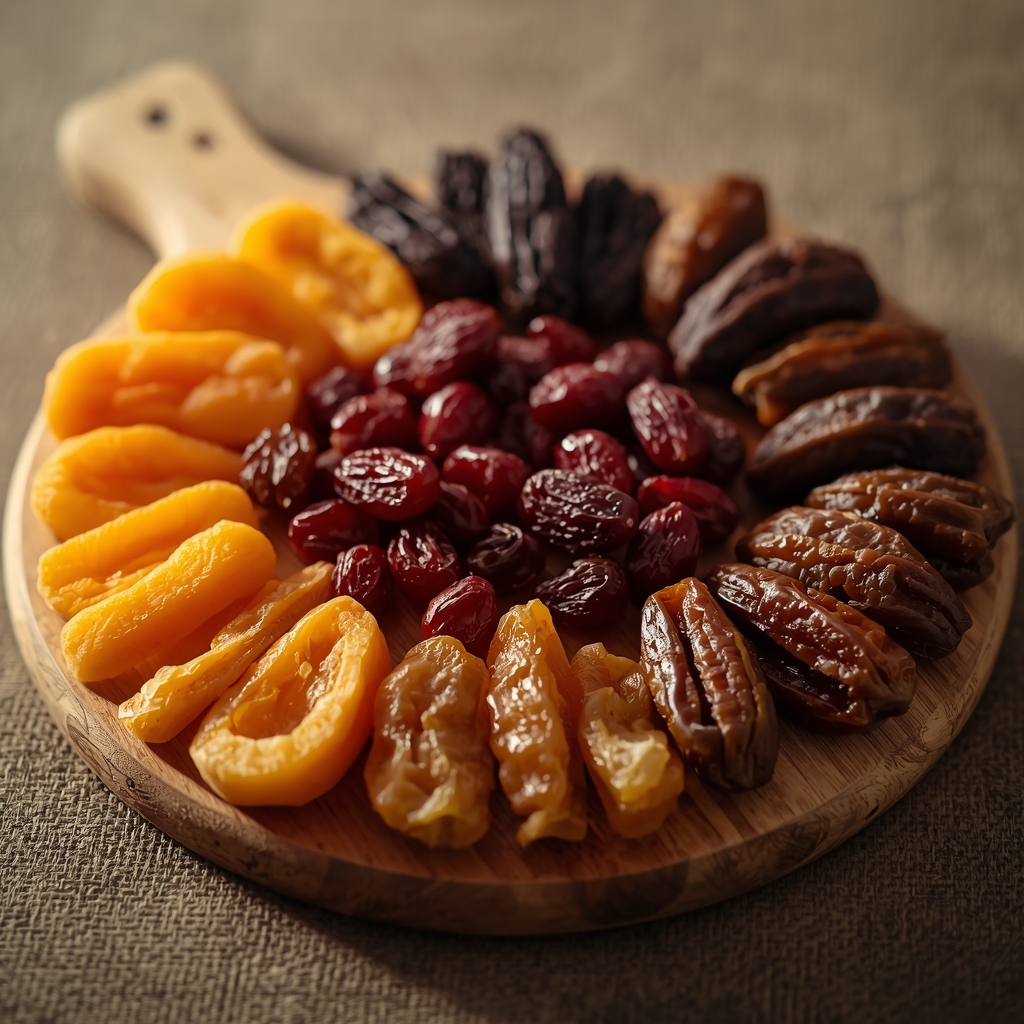
Dried fruits are a popular snack choice for many health-conscious individuals due to their convenience, long shelf life, and concentrated nutrients. But with so many options available, you might wonder, which dried fruits are the healthiest? In this blog post, we’ll explore the nutritional benefits of various dried fruits and help you make informed choices for your diet.
Dried fruits are fruits that have had most of their water content removed through drying methods such as sun drying, air drying, or freeze drying. This process concentrates their flavors and nutrients, making them a nutrient-dense snack option. They are rich in vitamins, minerals, antioxidants, and fiber, which contribute to overall health.
However, it’s important to choose dried fruits without added sugars or preservatives to maximize their health benefits.
Dried apricots are packed with vitamin A (in the form of beta-carotene), potassium, and iron. They support eye health, boost immune function, and help maintain healthy blood pressure. Their natural sweetness makes them a great alternative to sugary snacks.
Raisins are dried grapes rich in iron, potassium, and antioxidants like polyphenols. They support digestion due to their high fiber content and may improve heart health by reducing blood pressure and cholesterol levels.
Prunes (dried plums) are well-known for their digestive benefits. They are rich in dietary fiber and contain sorbitol, a natural laxative that helps relieve constipation. Prunes also have antioxidants that support bone health and reduce inflammation.
Dried figs provide a good source of calcium, potassium, and magnesium. They support bone health, regulate blood sugar, and promote digestive health thanks to their fiber content.
While dried cranberries are high in antioxidants and vitamin C, many commercial varieties contain added sugars. Opt for unsweetened versions to enjoy their benefits, such as urinary tract health support and anti-inflammatory properties.
Dates are an excellent source of energy, fiber, and essential minerals like potassium and magnesium. They also contain antioxidants that promote heart health. Dates are naturally sweet and can be used as a natural sweetener in recipes.
- Check for added sugars: Many dried fruits are coated with sugar or syrups. Choose unsweetened or lightly sweetened options.
- Watch the portion size: Dried fruits are calorie-dense, so consume them in moderation.
- Look for organic options: Organic dried fruits are less likely to contain pesticides or additives.
- Combine with nuts: Pair dried fruits with nuts for a balanced snack rich in protein, healthy fats, and fiber.
Dried fruits can be a nutritious and delicious addition to your diet when chosen wisely. Among the healthiest options are dried apricots, prunes, figs, raisins, and dates, thanks to their rich vitamin, mineral, and fiber content. Always opt for varieties without added sugars or preservatives to maximize health benefits.
Incorporate these dried fruits into your meals or snacks for a natural boost of energy and essential nutrients. Remember, moderation is key to enjoy their benefits without overdoing calories or sugar intake.
Ready to make dried fruits a healthy part of your diet? Explore our selection of premium, unsweetened dried fruits and start snacking smart today!
Leave a Reply